
black round bathroom mirror with light
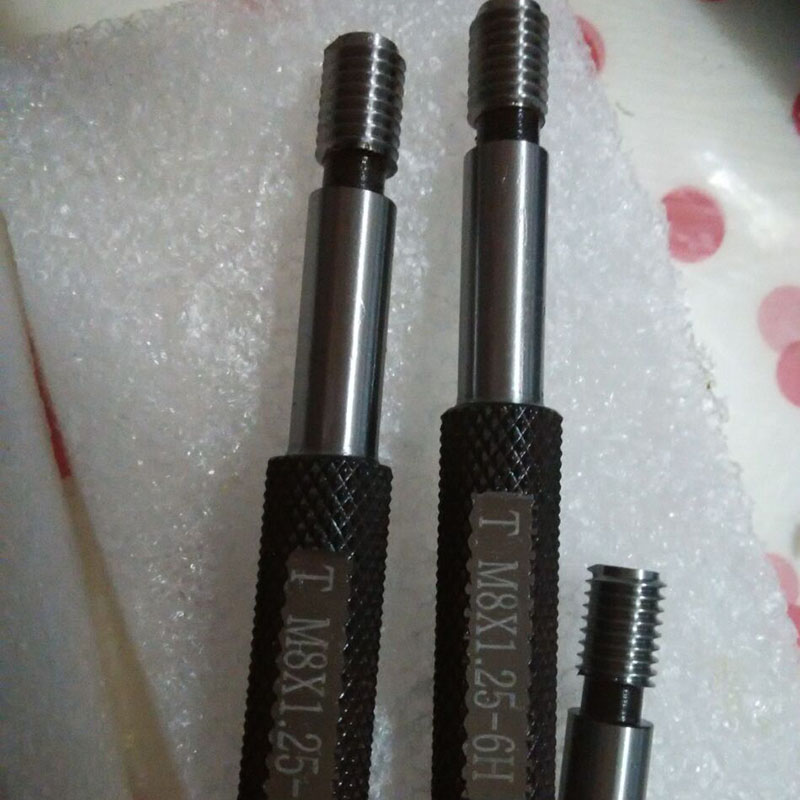
Understanding Thread Ring Gauges 6H and 6G Tolerances Thread ring gauges are essential precision tools used to check the dimensions and accuracy of threaded products. In industries where threaded components are pivotal, gauging the correctness of threads is crucial to ensure optimal functionality and safety. Among the various classifications of thread gauges, the 6H and 6G tolerances are popular standards that are widely recognized for their specific applications. What are Thread Ring Gauges? A thread ring gauge is a cylindrical tool with internal threads that conform to a specific thread profile. These gauges are utilized primarily to measure the major diameter, pitch diameter, and the form of the internal threads of fasteners, such as bolts and nuts. The gauge checks whether the threaded component meets the required standards by simply threading it onto the part. Tolerances Explained 6H and 6G The designations '6H' and '6G' relate to the tolerances defined by the International Organization for Standardization (ISO) and the American National Standards Institute (ANSI) for thread forms. The numbers following the letter indicate the grade and type of tolerances applied. - 6H Tolerance The 'H' represents a tolerance class for internal threads, with the number '6' indicating a medium tolerance fit. In practical terms, this means that a 6H fit is precise enough for most applications, without extensive adjustment needs. It provides a good balance between ease of assembly and retention force, making it suitable for widely used threaded fasteners and connection components in mechanical assemblies. - 6G Tolerance On the other hand, 'G' signifies that this tolerance applies to external threads, with '6' again indicating a medium fit. The 6G tolerance is more stringent than that of 6H, ensuring better compatibility in more critical applications. Typically, 6G is employed in more demanding environments, such as hydraulic systems or high-stress mechanical applications, where the integrity of the threaded connection is paramount. thread ring gauge 6h and 6g Applications of 6H and 6G Gauges Thread ring gauges with 6H and 6G tolerances are indispensable in various industries. - Manufacturing In manufacturing, especially in the production of bolts, nuts, screws, and other fasteners, ensuring that each piece conforms to the specified tolerances is essential for quality control. The use of 6H ring gauges helps manufacturers verify that internal threads on components fit correctly with external threads of mating parts. - Aerospace The aerospace industry is heavily reliant on precision-engineered components. 6G ring gauges are frequently employed to test the rigorous thread tolerances required for components that endure significant stresses during flight. Ensuring that threaded connections meet these tolerances is crucial for safety and efficiency. - Automotive Similarly, in automotive applications, both 6H and 6G gauges are vital for assessing the fit and function of threaded components used throughout vehicles. Adequate sizing ensures that critical parts, like engine mounts and transmission links, maintain their proper function and do not fail under load. Conclusion Thread ring gauges with 6H and 6G tolerances play a vital role in ensuring the reliability of threaded connections in numerous industries. Understanding the distinctions between these tolerances helps manufacturers and quality control personnel choose the appropriate gauge for their specific needs, ultimately ensuring the integrity and performance of their products. In an era of increasing precision requirements, the importance of thread gauging cannot be overstated, as it lays the foundation for robust mechanical systems.
about
black round bathroom mirror with light
Understanding Ring Gauge and Plug Gauge Key Elements in Precision Measurement In the realm of manufacturing and engineering, precision is paramount. The dimensions of machined parts must adhere to strict tolerances, and even a minor deviation can lead to malfunction or failure of the final product. To ensure that these tolerances are met, various measuring tools and gauges are employed, among which the ring gauge and plug gauge play a significant role. What Are Ring Gauges? Ring gauges are cylindrical tools used to measure the external diameter of a part. Their primary function is to verify whether a workpiece's outer dimension falls within specified tolerances. Ring gauges are typically produced in two categories go and no-go gauges. - Go Gauges These are designed to fit onto or over the workpiece, confirming that the part is within the acceptable limits. If a go gauge can be applied without force, the diameter is considered acceptable. - No-Go Gauges These are intended to not fit onto the workpiece. If a no-go gauge passes over the part, it indicates that the dimension is oversized and fails the inspection. The simplicity and effectiveness of ring gauges make them essential in quality control processes, ensuring that manufactured components meet the required specifications. What Are Plug Gauges? Conversely, plug gauges are designed for measuring the internal dimensions of holes, such as diameters and depths. Similar to ring gauges, plug gauges also come in go and no-go varieties. - Go Plug Gauges These gauges are inserted into a hole to check its diameter . If the go plug fits without undue force, the internal diameter is within specification. - No-Go Plug Gauges These gauges are larger in diameter than the go plugs and are used to ensure that the hole is not oversized. If a no-go plug gauge fits into the hole, it fails to meet the required standard. ring gauge plug gauge Both ring and plug gauges are essential in ensuring that components fit together correctly in assemblies, which is crucial in industries such as aerospace, automotive, and precision engineering. Importance in Quality Control The proper use of ring and plug gauges contributes significantly to maintaining quality control in production processes. They help identify defects early, reducing scrap rates and ensuring that only parts that meet stringent specifications proceed through the manufacturing line. This not only saves costs but also enhances the reliability and performance of the end products. Material and Design Ring and plug gauges are typically made from high-quality tool steel or carbide, ensuring durability and long-term accuracy. They are often treated with surface hardening techniques to withstand wear. Precision grinding is used to achieve the required tolerances, making them reliable tools for measurements. The design of these gauges also considers user convenience; most modern gauges feature ergonomic handles and clear markings indicating their size and tolerance levels, making them easy to use in various settings. Calibration and Maintenance Like all precision measuring tools, ring and plug gauges require regular calibration and maintenance to ensure accuracy. Calibration involves comparing the gauges to a standard reference that is traceable to national or international measurement standards. Proper care, including cleaning and storage in protective cases, can extend the life of these gauges and preserve their accuracy. Conclusion In conclusion, ring gauges and plug gauges are fundamental tools in precision engineering and manufacturing. They provide critical measurements that ensure parts meet safety and performance standards, contributing to the integrity of finished products. As industries continue to evolve, the role of these gauges remains vital; they are indispensable allies in the pursuit of quality control, guaranteeing that every component fits perfectly and functions reliably. The continued development and innovation in gauge technology will further enhance their effectiveness, driving forward the standards of precision in manufacturing practices.
-

High quality industrial productsagement

High quality industrial products
View Details -

Meet the diverse needs of customers

Meet the diverse needs of customers
View Details -

Strict quality control

Strict quality control
View Details -

Top raw materials

Top raw materials
View Details -

Trusted supplier

Trusted supplier
View Details
Our application
news and information
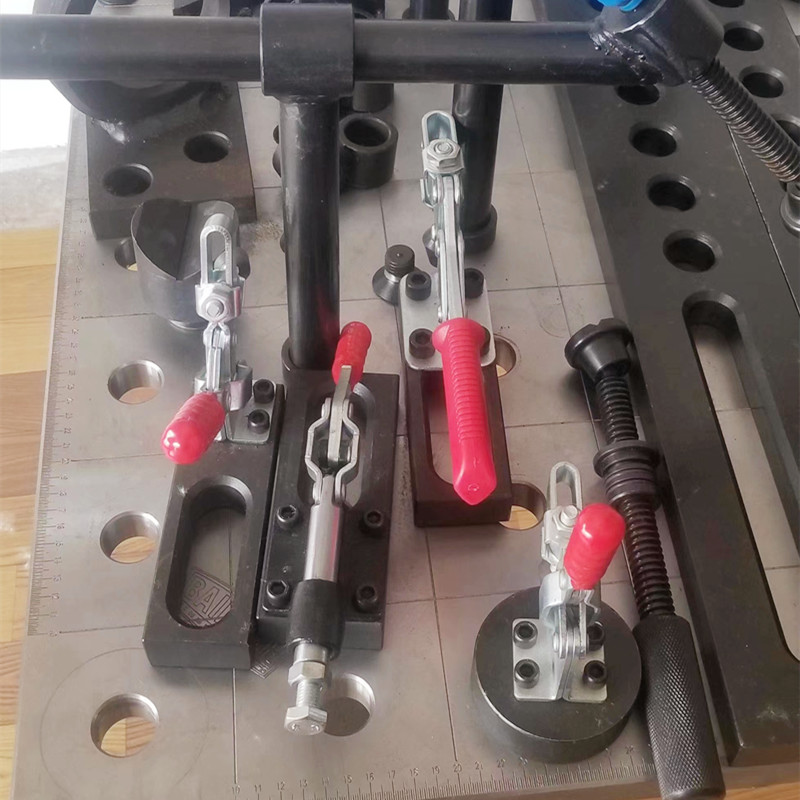
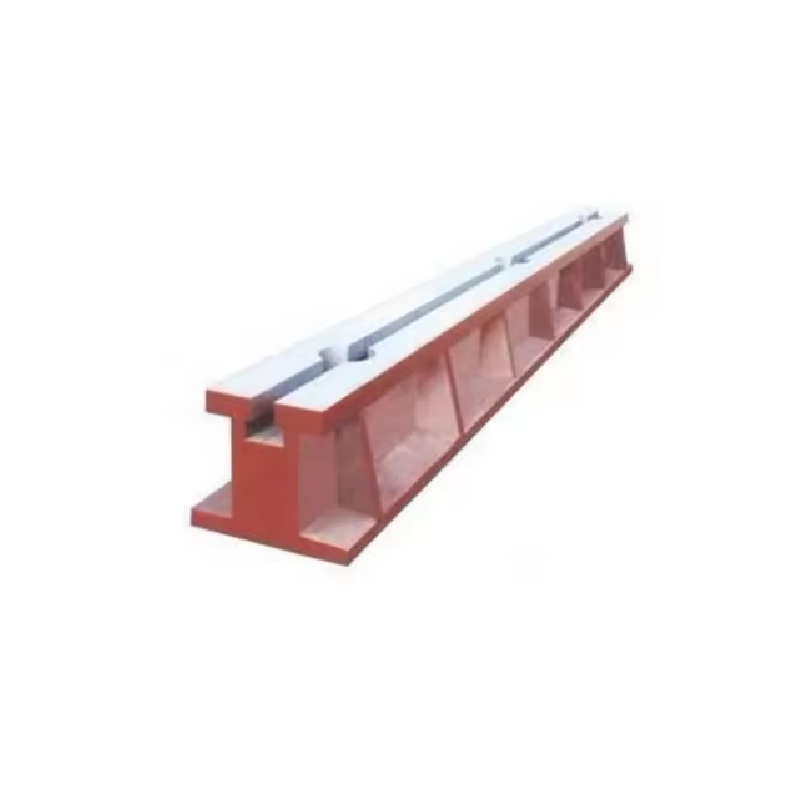
Versatile Clamps for Welding Tables Enhancing Stability and Precision in Metal Fabrication
The Importance of Welding Table Clamps in Metalworking Welding is an essential process in various in
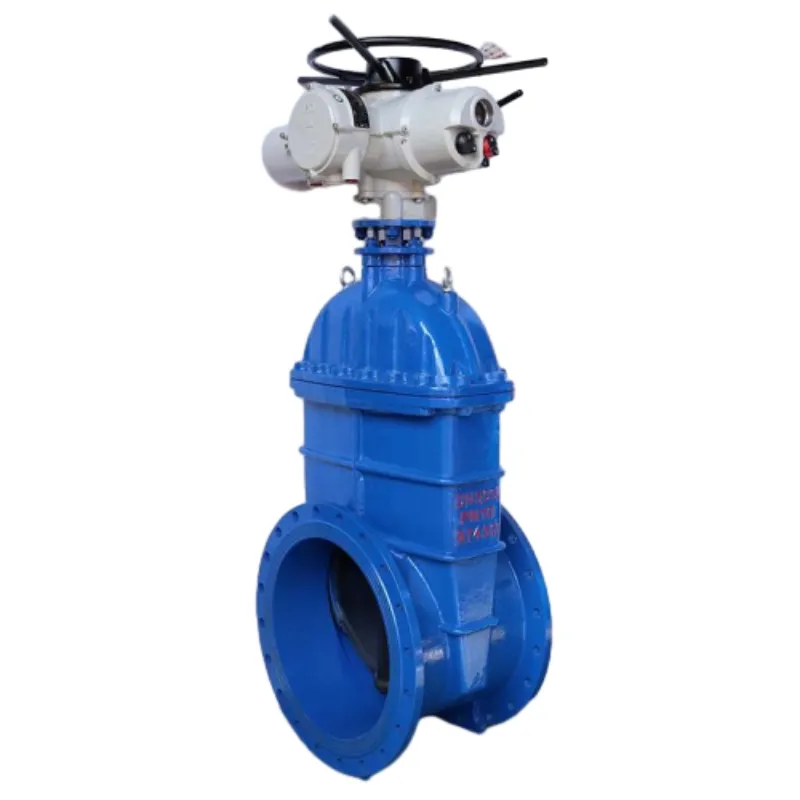
Various Categories of Gate Valves and Their Applications
Different Types of Gate Valves Gate valves are a type of valve that opens by lifting a gate out of t
Valve for Sale Top Quality Guaranteed
Discover the perfect valve for your specific needs with our comprehensive guide to valves for sale.
 English